
As winter fades and the UK begins to transition into milder spring weather, it’s the perfect time for homeowners and landlords to take stock of their plumber systems. The colder months can be particularly harsh on pipes, boilers, and drainage systems, often leaving behind hidden damage that only becomes apparent when temperatures rise. Addressing these issues early can help prevent costly repairs later in the year and ensure your home is running efficiently.
Below, we explore the key plumbing jobs that are often needed at the end of winter and why now is the ideal time to tackle them.
1. Check for Frozen or Damaged Pipes
During winter, freezing temperatures can cause water inside pipes to expand, leading to cracks or even bursts. While some pipe damage is immediately obvious, other issues may go unnoticed until the thaw sets in.
As temperatures rise, inspect exposed plumbers pipes in lofts, garages, and outside walls for signs of damage such as:
- Damp patches
- Reduced water pressure
- Unusual noises when taps are running
Even a small crack can worsen over time, so it’s important to address any issues promptly before they escalate into leaks or flooding.
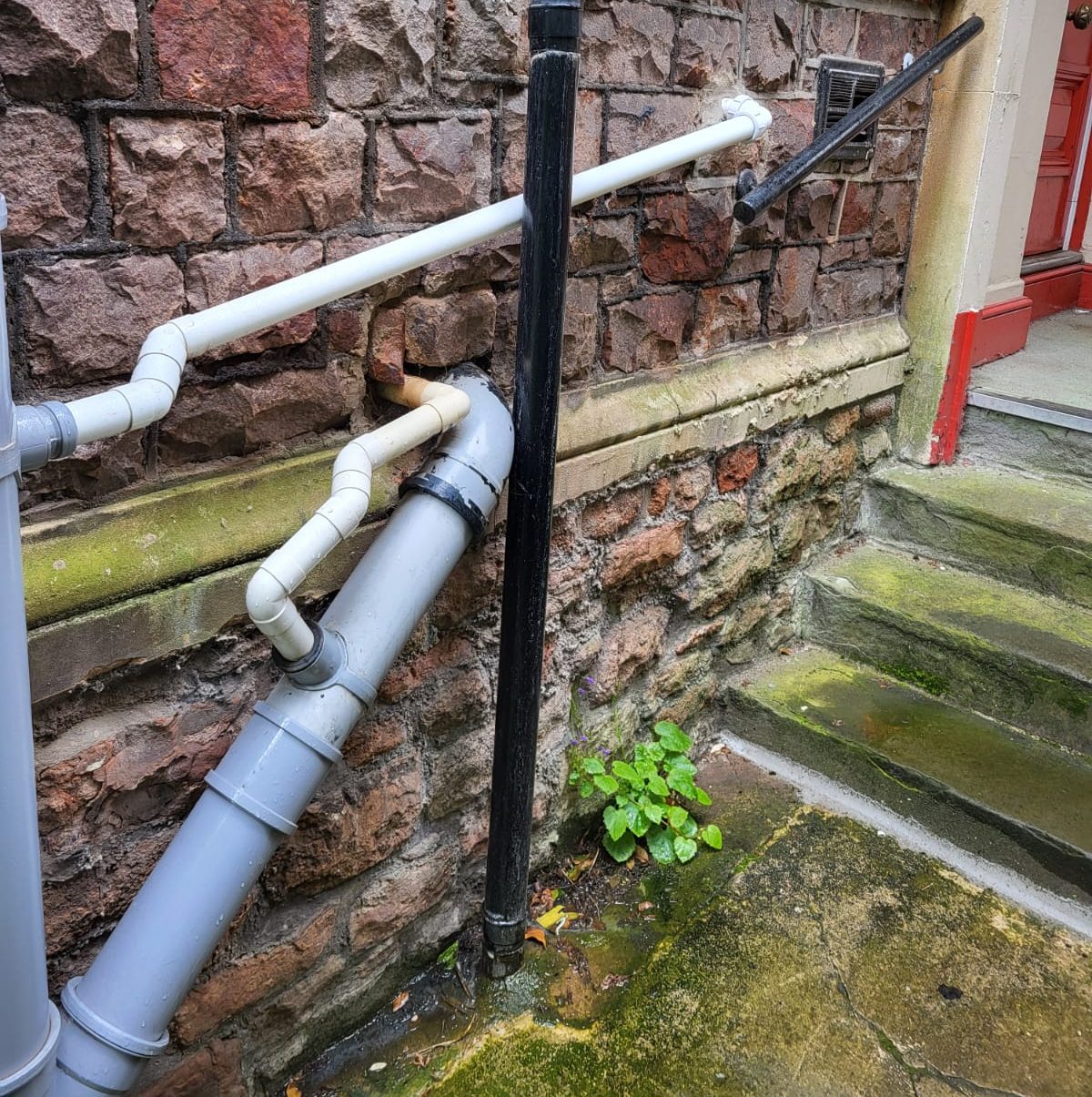
2. Inspect Your Boiler and Heating System
After working hard throughout the winter, your boiler and central heating system may be under strain. Spring is the ideal time to assess its condition and carry out any necessary maintenance.
Look out for:
- Strange noises (banging, whistling, or gurgling)
- Inconsistent heating
- Rising energy bills
Booking a professional boiler service now can help identify worn components, improve efficiency, and extend the life of your system. It also ensures everything is in good working order before the system is switched off for the warmer months.
3. Bleed Radiators and Remove Cold Spots
If your radiators weren’t performing optimally during winter, trapped air could be the cause. Bleeding your radiators allows air to escape, ensuring they heat evenly.
Signs your radiators need attention include:
- Cold spots at the top
- Uneven heating across rooms
- Radiators taking longer to warm up
This simple task can improve heating efficiency and reduce energy consumption, making your home more comfortable and cost-effective when you need heating again.
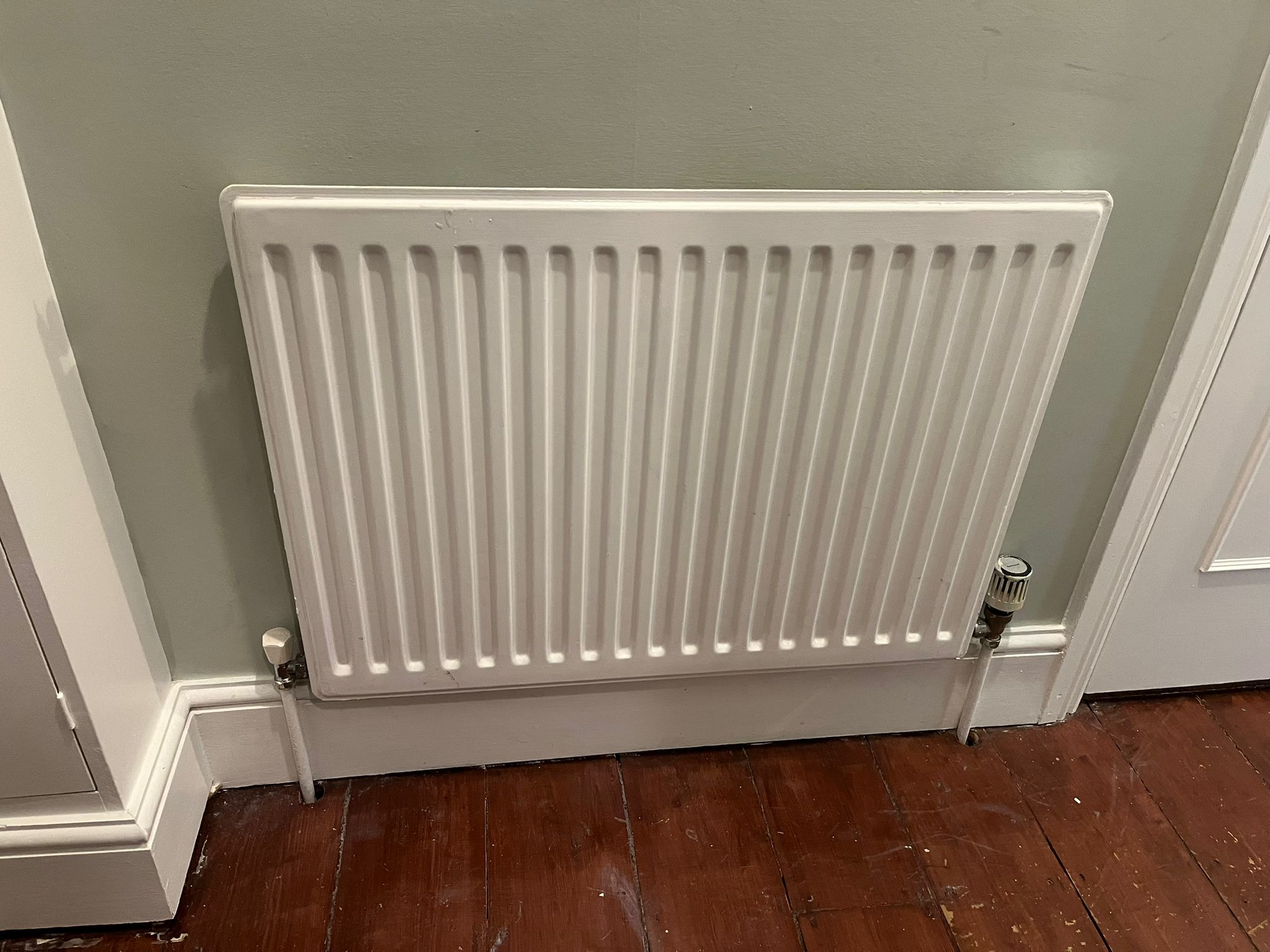
4. Clear Blocked Drains and Gutters
Winter weather often leads to debris buildup in drains and gutters, including leaves, dirt, and even ice. As the snow and frost disappear, these blockages can cause water to back up, leading to unpleasant odours or even property damage.
Spring is a great time to:
- Clear outdoor drains and gullies
- Remove debris from gutters and downpipes
- Check for slow-draining sinks or baths
Regular maintenance helps prevent more serious drainage issues and reduces the risk of flooding during heavy spring showers.
5. Check Outdoor Taps and Pipework
Outdoor taps and exposed pipework are particularly vulnerable during winter. Freezing conditions can cause joints to loosen or pipes to crack.
Before you start using your garden tap again:
- Turn it on slowly and check for leaks
- Inspect connections for drips or corrosion
- Ensure proper water flow
If you notice any issues, it’s best to have them repaired sooner rather than later, especially as outdoor water usage typically increases in spring and summer.
6. Look for Hidden Leaks
Winter can mask small leaks that only become noticeable once temperatures rise and usage patterns change. Hidden leaks can waste water and lead to structural damage if left untreated.
Common signs include:
- Unexpected increases in your water bill
- Damp or mould growth
- Musty smells
- Reduced water pressure
Checking under sinks, around appliances, and near pipe joints can help you spot problems early and avoid more extensive repairs.

7. Test Your Water Pressure
Fluctuating temperatures and increased demand over winter can affect your home’s water pressure. Low pressure may indicate a leak, blockage, or issue within the system.
Turn on taps and showers to assess:
- Flow consistency
- Pressure strength
- Any unusual changes compared to previous months
If the pressure seems unusually low or inconsistent, it’s worth having a professional plumber investigate the cause.
8. Service Your Hot Water Cylinder
If your home uses a hot water cylinder, it’s important to check it for signs of wear and tear after winter.
Key things to look for:
- Leaks around the base or connections
- Rust or corrosion
- Unusual noises during heating
Regular servicing ensures your hot water supply remains reliable and helps prevent unexpected breakdowns.
9. Inspect Washing Machines and Dishwashers
Appliances that rely on water connections can also be affected by winter conditions. Hoses may become brittle or develop small cracks, especially if exposed to colder areas of the home.
Check for:
- Bulging or worn hoses
- Leaks behind or beneath appliances
- Reduced performance
Replacing worn hoses is a simple and inexpensive way to avoid more serious water damage.
10. Prepare for Increased Spring Usage
As the weather improves, households typically use more water for gardening, cleaning, and general outdoor activities. Ensuring your plumbing system is ready for this increased demand is essential.
Consider:
- Checking all taps and fixtures for efficiency
- Fixing dripping taps to reduce water waste
- Upgrading older fittings if needed
This proactive approach can help you avoid problems during the busier months ahead.
Why Spring Is the Best Time for Plumbing Maintenance
Many homeowners wait until a problem arises before calling a plumber, but preventative maintenance is always the smarter option. Spring offers the perfect window to:
- Identify and repair winter damage
- Improve system efficiency
- Avoid emergency callouts later in the year
It’s also typically a quieter time for plumbing services compared to winter, making it easier to book inspections and repairs at a convenient time.
Final Thoughts
The transition from winter to spring is more than just a seasonal change—it’s an opportunity to ensure your home’s plumbing system is in top condition. From checking for frozen pipe damage to clearing drains and servicing your boiler, these essential tasks can save you time, money, and stress in the long run.
By taking action now, you’ll not only protect your property but also ensure everything runs smoothly as the warmer months arrive. Whether you carry out basic checks yourself or enlist the help of a professional plumber, staying proactive is the key to maintaining a reliable and efficient plumbing system all year round.