
The Importance of Protecting Pipes During Cold Weather

When temperatures drop, most people focus on staying warm, but one critical part of a home or building is often overlooked: the plumbing system. Pipes are especially vulnerable during cold weather, and failing to protect them can lead to costly damage, major inconvenience, and even long-term structural problems. Understanding why pipe protection matters—and how to do it properly—can save homeowners, property managers, and businesses significant time, money, and stress.
Why Cold Weather Is Dangerous for Pipes
Water expands as it freezes. When water inside a pipe turns to ice, it expands outward, putting intense pressure on the pipe walls. This pressure can cause pipes to crack or burst, particularly in areas where insulation is poor or temperatures fluctuate rapidly. Contrary to popular belief, pipes don’t always burst at the point where the water freezes; instead, pressure can build up and cause failure elsewhere in the line.
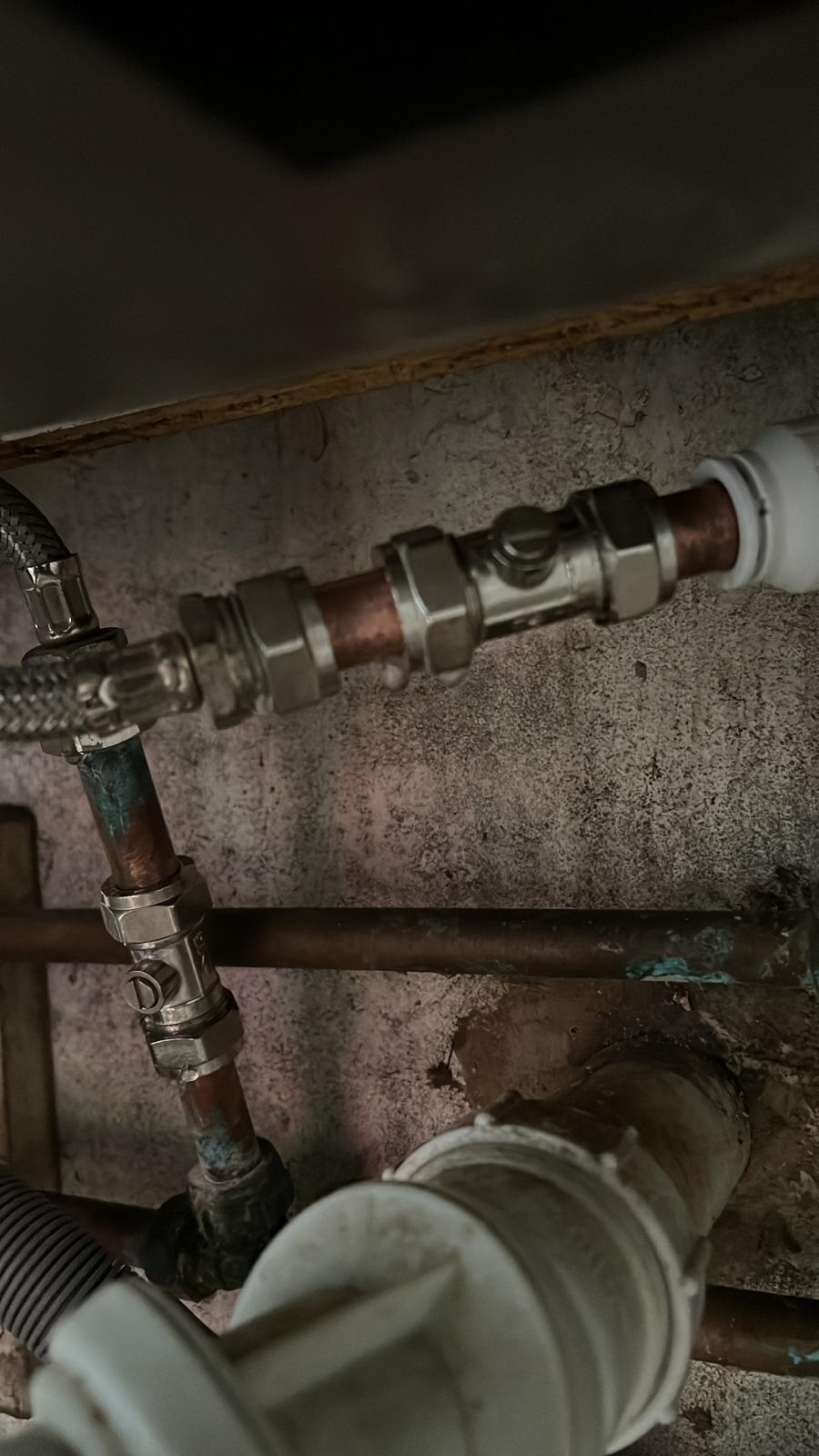
Pipes located in unheated or poorly insulated areas—such as basements, attics, crawl spaces, garages, and exterior walls—are at the highest risk. Even newer plumbing systems can suffer damage if exposed to prolonged freezing temperatures.
The Cost of Ignoring Pipe Protection
One of the biggest reasons to protect pipes during cold weather is the financial impact of frozen or burst pipes. Repairs can be expensive, often involving not only plumbing work but also water damage restoration. A single burst pipe can release hundreds of gallons of water in a short period, damaging walls, floors, ceilings, furniture, and electrical systems.
Beyond direct repair costs, there may be additional expenses such as temporary housing, business downtime, increased insurance premiums, or mold remediation. For commercial properties, frozen pipes can disrupt operations, damage inventory, and negatively affect customer trust. Take some plumber Bristol advice.
Water Damage Happens Fast
A burst pipe doesn’t always announce itself immediately. If it occurs overnight or while a building is unoccupied, water can flow freely for hours before being discovered. By the time the issue is noticed, damage may already be extensive. Water can seep into structural materials, weakening them over time and creating ideal conditions for mold growth.
Protecting pipes helps prevent these scenarios altogether, reducing the likelihood of sudden emergencies and the stress that comes with them.
Common Causes of Frozen Pipes
Understanding what causes pipes to freeze makes prevention more effective. Some of the most common contributing factors include:
- Poor insulation around pipes or in walls
- Exposure to outside air, especially near windows, doors, or vents
- Sudden temperature drops, particularly after mild weather
- Lack of water movement, as stagnant water freezes faster
- Power outages, which can shut down heating systems
Older buildings are especially susceptible, but newer construction is not immune, particularly if pipes were installed in vulnerable locations. Take some plumber Bristol advice.
Benefits of Proactively Protecting Pipes
Protecting pipes during cold weather isn’t just about avoiding disasters—it’s about peace of mind. Proactive measures reduce the risk of emergencies, extend the lifespan of plumbing systems, and improve overall building resilience.
Some key benefits include:
- Lower repair and maintenance costs
- Reduced risk of water damage
- Improved energy efficiency when insulation is added
- Greater reliability of plumbing systems
- Protection of property value
For businesses and multi-unit properties, pipe protection also helps ensure tenant satisfaction and uninterrupted service.
Simple and Effective Pipe Protection Methods
There are several proven ways to protect pipes from freezing, many of which are inexpensive and easy to implement:
- Pipe Insulation
Foam or fiberglass pipe insulation is one of the most effective defenses against freezing. It helps maintain water temperature and shields pipes from cold air. - Sealing Air Leaks
Cracks and gaps around windows, doors, and foundations can allow cold air to reach pipes. Sealing these leaks helps maintain a stable indoor temperature. - Maintaining Heat
Keeping indoor temperatures consistent, even when a building is unoccupied, reduces the risk of freezing. This is especially important for areas where pipes are hidden behind walls. - Allowing Water to Drip
In extremely cold conditions, letting faucets drip slightly keeps water moving, which reduces freezing risk by relieving pressure buildup. - Opening Cabinet Doors
Opening cabinets under sinks allows warm air to circulate around pipes located near exterior walls. - Winterizing Outdoor Plumbing
Disconnecting garden hoses, shutting off outdoor water supplies, and draining exterior pipes are essential steps before freezing temperatures arrive.
The Role of Regular Maintenance
Routine plumbing inspections play a major role in preventing cold-weather pipe damage. A professional inspection can identify vulnerable areas, outdated materials, or insufficient insulation before winter sets in. Addressing these issues early is far easier—and cheaper—than dealing with emergency repairs during a freeze.
For commercial properties, scheduled seasonal maintenance is especially important due to the complexity and scale of plumbing systems.
Environmental and Resource Considerations
Burst pipes waste a significant amount of water, which is not only costly but also environmentally irresponsible. Conserving water by preventing leaks aligns with sustainability goals and reduces strain on local water systems. In areas prone to drought or water restrictions, preventing unnecessary water loss is especially critical.
Preparing for Extreme Weather Events
With climate patterns becoming more unpredictable, extreme cold snaps can occur in regions that are not traditionally prepared for freezing weather. This makes pipe protection even more important. Buildings in warmer climates may lack proper insulation or winterization measures, increasing the risk of sudden failures during unexpected cold spells.
Being proactive rather than reactive ensures that plumbing systems remain functional regardless of weather extremes.
Conclusion
Protecting pipes during cold weather is not optional—it is a vital part of responsible property ownership and management. The consequences of frozen or burst pipes can be severe, but they are largely preventable with proper planning, insulation, and maintenance.
By taking the time to protect plumbing systems before temperatures drop, homeowners and businesses can avoid costly repairs, reduce water damage risks, and maintain peace of mind throughout the winter months. A little preparation goes a long way in ensuring that when the cold weather hits, your pipes remain safe, secure, and problem-free.